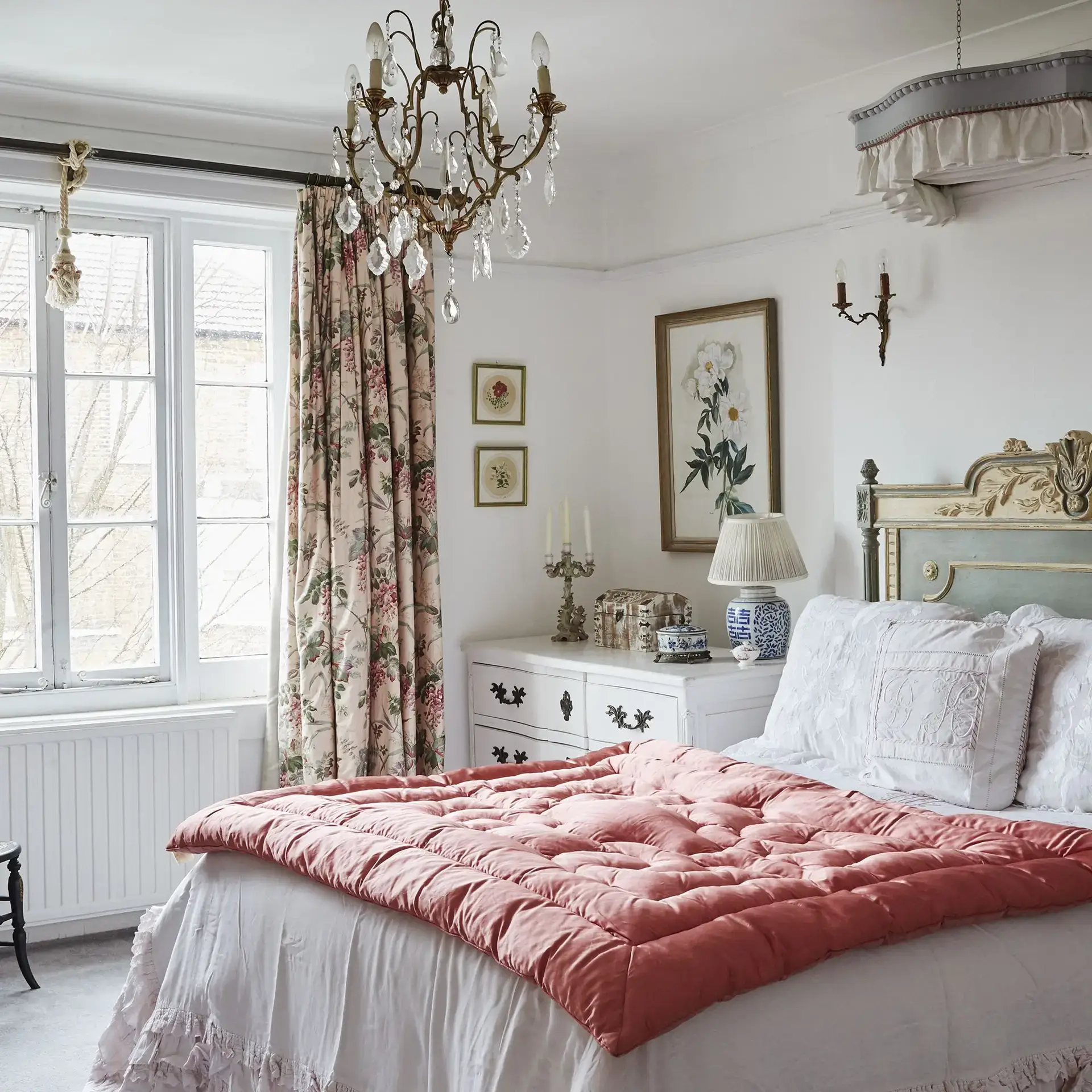

Sustainable Style: Low-Impact Materials and Upcycled Furnishings for an Elevated Home
**Sustainable style** isn’t about sacrificing comfort or beauty; it’s about choosing design elements that perform better for you and the planet. With a few thoughtful choices, you can create rooms that feel richer in texture, calmer in color, and more personal in story—while reducing toxins, waste, and embodied carbon. Eco-friendly interiors aren’t a niche aesthetic anymore; they’re a design philosophy that seamlessly combines longevity, functionality, and visual appeal.
This approach starts with understanding **low-impact materials**—what they’re made of, how they’re finished, where they come from, and how they’ll age. Below, we’ll explore two pillars of sustainable style: materials that instantly elevate any space, and upcycled furnishings that bring character and craftsmanship into your home. This philosophy ensures your design decisions align with your values.
—
Section 1: Low-Impact Materials That Elevate Every Room (Tips 1-3)

1. Choose Renewable, Recycled, or Salvaged Surfaces
Sustainability begins with materials that respect resources and reduce pollutants. Opt for renewable options like **bamboo and cork** for resilience and warmth, or FSC-certified solid wood for responsible forestry. Recycled-content materials, such as glass or aluminum, transform waste into striking countertops, tiles, and accents.
For tile and stone, seek salvaged or remnant slabs, or choose **Terrazzo with recycled aggregates**—it resists trends and wears gracefully. Making these choices is the core of embracing **low-impact materials** in design.
2. Finish Surfaces with Low-Toxin Sealants
How a product is made and finished matters. Look for **low- or zero-VOC paints and stains** and avoid added urea-formaldehyde in composite woods. Waterborne sealers and plant-based oils provide durable protection without the harsh fumes of traditional solvent-based finishes.
On walls, **clay and lime plasters** not only add depth and texture, but also help regulate humidity, contributing to a healthier indoor climate. This is key to achieving true **sustainable style**.
3. Verify Claims with Key Certifications
Verifying claims can be simple once you know what to look for. Look for certifications and disclosures such as **FSC** for wood, **GREENGUARD Gold** for low emissions, and **Declare or HPD** (Health Product Declaration) for ingredient transparency.
EPDs (Environmental Product Declarations) help you compare embodied carbon between products. Equally important is longevity: pick materials that will age attractively, minimizing the need for replacement and keeping your design timeless.
—
Section 2: Upcycled Furnishings: Chic Pieces With a Past (Tips 4-6)

4. Source Quality Pieces with Good Bones
Upcycling is where sustainability and soul meet. Start by browsing local vintage shops, estate sales, architectural salvage yards, and online marketplaces. Prioritize quality over trend: look for solid wood frames, mortise-and-tenon joinery, and well-made hardware.
Hunt for case goods—dressers, credenzas, nightstands—worthy of refinishing, or look for sturdy sofas and chairs that can be reupholstered. When in doubt, choose **timeless silhouettes**; they’re easier to mix and will feel fresh longer.
5. Transform Furnishings with Safe Finishes
Transformation is where the magic happens. Revive a mid-century dresser with a light sand and a **plant-based hardwax oil**; the original character shines while the finish remains low in toxins. Reupholster with natural textiles like **linen, wool, hemp, or organic cotton**.
Ask your upholsterer about natural latex foam or wool batting instead of conventional foam. Swap dated hardware for brass or matte black, and rewire vintage lamps for safety. These small tweaks deliver a bespoke look and embody **sustainable style**.
6. Style Upcycled Finds with Cohesion and Restraint
Styling upcycled finds is as much about restraint as it is about personality. Let one or two statement pieces sing—a patinated workbench as an island, a rehomed library cabinet as a bar—and keep surrounding elements simple. **Build cohesion with repetition**:
Echo wood tones across the room, repeat a metal finish in lighting and hardware, or carry a fabric color from pillows to window treatments. Balance aged surfaces with crisp lines, airy linens, and fresh greenery to avoid a heavy, over-collected feel. The result is a layered aesthetic that looks curated, not contrived: a home of storied objects that respect the past while feeling undeniably present.
—
Conclusion: Sustainable Style is the Ultimate Upgrade
**Sustainable style thrives at the intersection of good design and good sense.** By prioritizing **low-impact materials** and embracing upcycled furnishings, you create spaces that look better, live better, and last longer.
The payoff is immediate—richer textures, healthier air, and deeper character—and it grows over time as your rooms develop a patina that new pieces can’t replicate. You don’t need to overhaul your entire home overnight. Start with one decision: choose a low-VOC paint, refinish a vintage dresser, or pick a cork floor for the family room.
When design choices align with your values, your home becomes a place that tells a story—about quality, care, and connection. That story is proof that eco-friendly design doesn’t just look great—it feels right.
Which low-impact material—cork, bamboo, or reclaimed wood—would you choose for your next project?