
Small Space, Big Impact: 10 Clever Interior Design Tricks to Transform Your Home
Small doesn’t have to mean cramped, compromised, or cluttered. The secret to transforming a modest home into a space that feels tailored and elevated lies in smart choices: how you arrange furniture, manage sightlines, leverage light, and build a cohesive palette. These are the **clever interior design tricks** that maximize every inch.
In this guide, **“Small Space, Big Impact: Clever Interior Design Tricks to Transform Your Home,”** we’ll focus on two high-leverage areas: planning layouts that maximize flow and harnessing light, color, and mirrors to visually enlarge rooms. You’ll learn principles that work across styles and budgets, plus practical rules of thumb you can apply immediately.
Whether you’re making a studio feel like a suite or turning a compact living area into an inviting hub, the goal isn’t to squeeze more in—it’s to edit with intention so every inch earns its keep. Let’s explore these **small space interior design** solutions.
—
Section 1: Planning Layouts That Maximize Flow (Tricks 1-5)

Trick 1: Map Traffic Before Furniture
Before you buy a single piece of furniture, map how your space behaves. Measure every wall, window, radiator, and outlet, and sketch a quick floor plan to scale. Highlight “hard stops” like door swings and circulation paths—the lines people naturally travel between the entry, kitchen, seating, and bedroom.
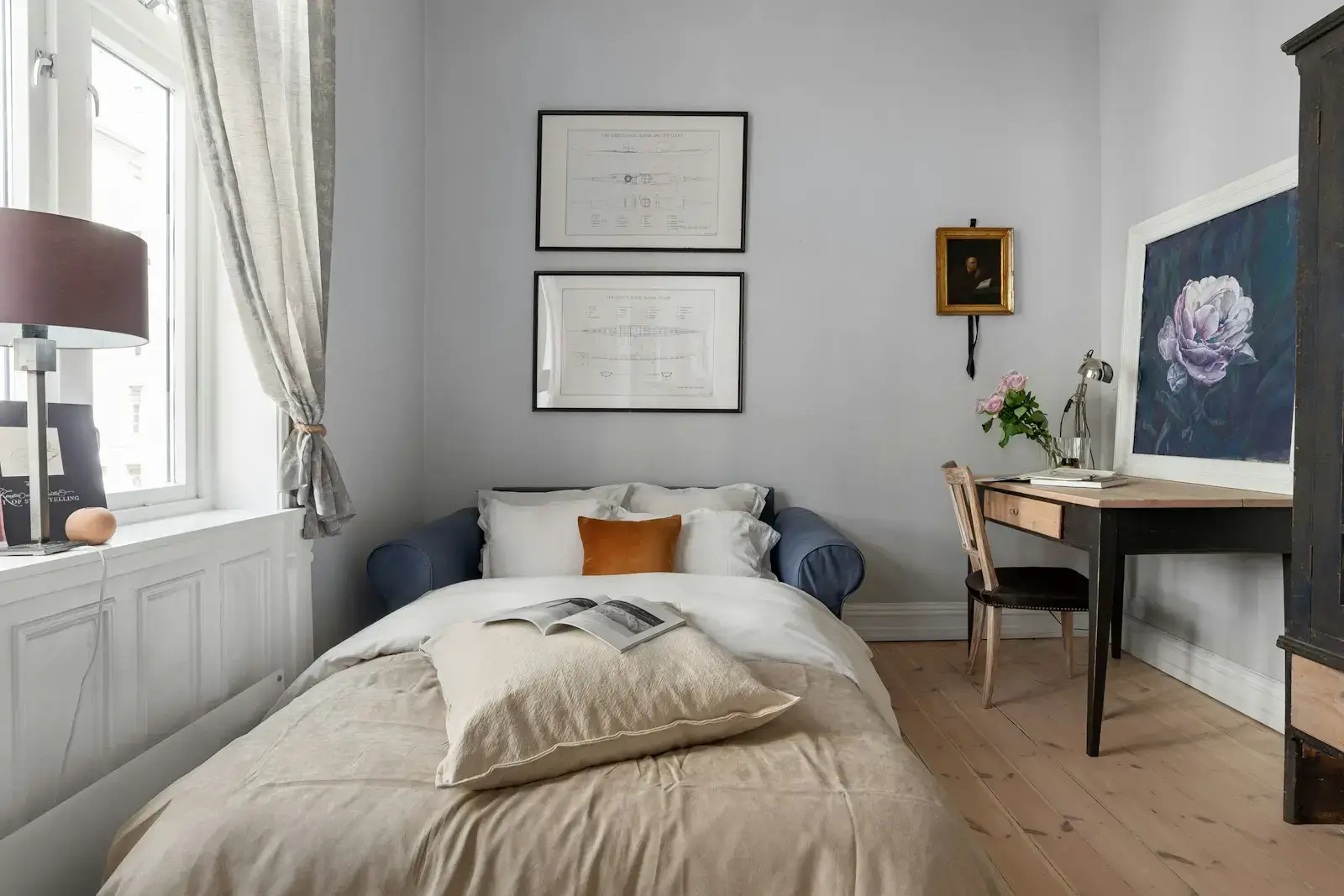
Aim for a minimum of **30–36 inches for primary walkways** and 14–18 inches between a coffee table and sofa edge. In bedrooms, keep at least 24 inches on one side of the bed for access if space is tight. The trick is to route traffic around, not through, conversation zones.
Trick 2: Create a Visual Anchor
Identify a focal point (a window, a fireplace, a media wall, an art piece) and arrange seating to face or flank it; that visual anchor prevents a small room from feeling unsettled. Floating a sofa a few inches from the wall can create a subtle passage that relieves bottlenecks without surrendering square footage.
Trick 3: Choose Visually Light, Leggy Pieces
Shrink the footprint, not the comfort. Choose pieces with lighter visual weight—apartment-length sofas (68–76 inches), armless accent chairs, leggy credenzas, and glass or open-base tables that allow the eye to see through. This is one of the most effective **clever interior design tricks**.
Multipurpose items are your small-space power tools: a drop-leaf table that toggles between desk and dining, nesting tables that expand for guests, or an ottoman with hidden storage that doubles as extra seating. **Therefore,** choose pieces that work harder than they look.
Trick 4: Leverage the Third Dimension (Vertical Storage)
Think vertical for storage: wall-mount shelves and cabinets, add a tall bookcase to draw the eye upward, or flank the sofa with narrow towers to frame a compact media setup. Use area rugs to define functional zones within an open room—a 5×8 under the seating area and a runner to imply a hallway—so the layout reads as intentional “rooms” rather than one catch-all box. **Consequently,** this **small space interior design** strategy adds height and function.
Trick 5: Prioritize Flexibility and Cohesion
Prioritize flexibility like a tiny-house pro. Mobile pieces on casters, stacking stools, and folding chairs allow you to reconfigure for movie night, a dinner party, or a yoga session without a production. Create a rhythm of heights—low sofa, mid-height side tables, tall lamp or plant—to add dimension without clutter.
Embrace negative space as part of the design brief; leaving a corner open or a walkway clear is not wasted space, it’s a breathing zone that makes everything else feel intentional. Cohesion finishes the job: unify woods to two tones, metals to one or two finishes, and textiles to a tight palette so the eye can travel without bumping into visual noise.
—
Section 2: Light, Color, and Mirrors to Visually Enlarge Rooms (Tricks 6-10)

Trick 6: Mount Curtains High and Wide
Light is the ultimate illusionist. Start with windows: mount curtain rods **6–12 inches wider than the frame** and as high as possible to make openings feel grander. Draw panels fully off the glass to maximize daylight. This simple change is one of the best **clever interior design tricks**.
Choose light-filtering sheers for privacy without dimming the room, or layered treatments—a roller shade plus side panels—for control and softness. Favor finishes that bounce light around: satin or eggshell paint sheens on walls, a light-colored rug, and pale wood tones on furniture.
Trick 7: Layer Artificial Lighting
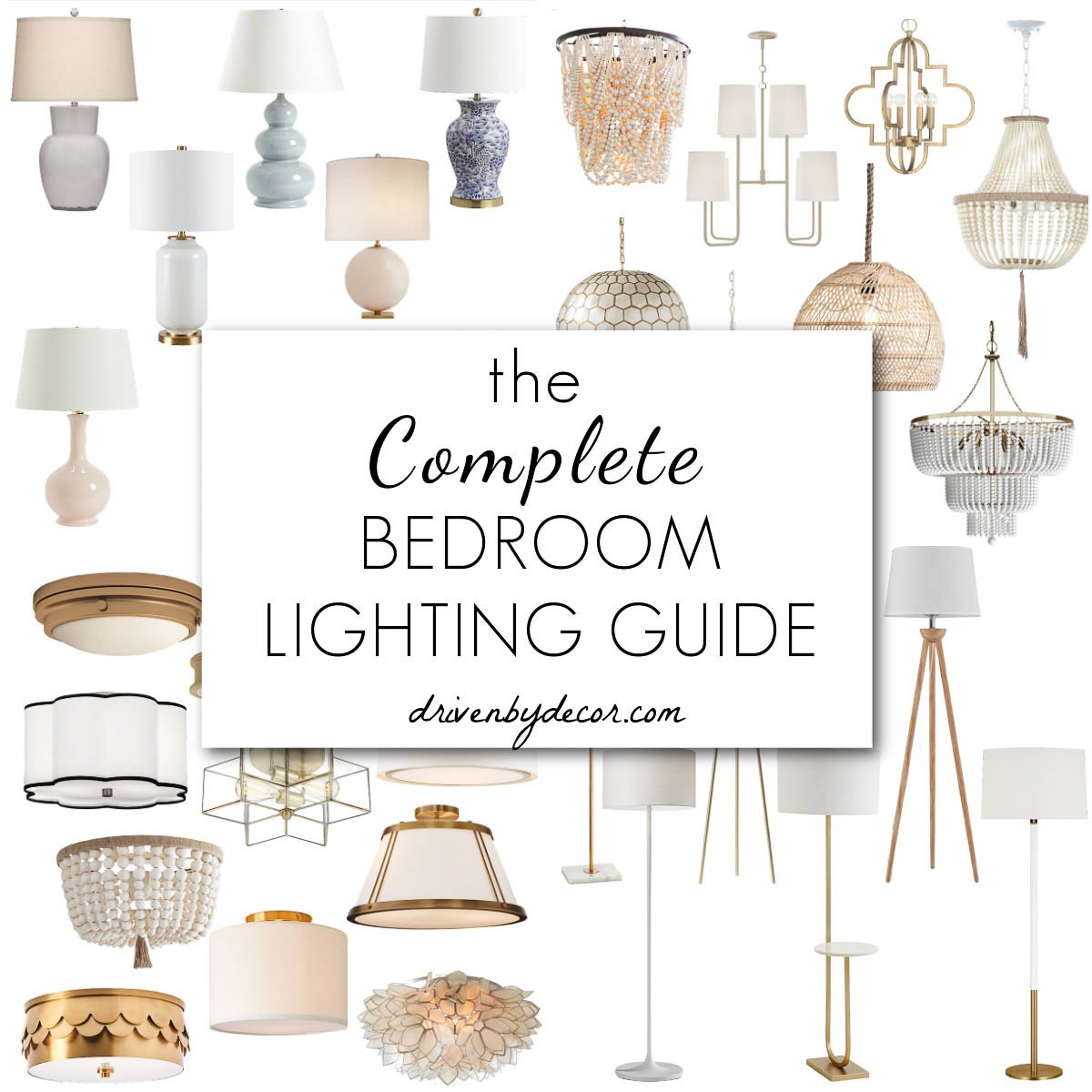
Artificial lighting turns square feet into “square feels.” Layer three types: **ambient** (your general glow), **task** (focused light for work, cooking, reading), and **accent** (to sculpt architectural interest). In compact rooms, flush mounts or slim-profile pendants act as ambient light without visual bulk. Accent lighting—picture lights, shelf LEDs, or wall washers—adds depth and makes walls recede.
Put everything on dimmers for instant mood shifts and to balance layers. Choose LEDs with a color temperature of **2700–3000K** for cozy living areas and **3000–3500K** for kitchens and work zones, and aim for a **CRI of 90+** so colors stay true. Avoid this crucial **small space interior design** error.
Trick 8: Use Mirrors Strategically to Double the Space
Mirrors are your most powerful optical tool—when used with purpose. The best placement is across from a window or adjacent to it at an angle that captures and redistributes daylight without causing harsh reflections.
Oversized mirrors (think leaning floor mirrors or a large, clean-edged rectangle) increase perceived volume more than a scattering of small mirrors. Use mirrors to extend a view down a hallway, to “duplicate” a favorite art piece, or to bounce light into a dark corner paired with a sconce.
Trick 9: Employ Color Psychology and LRV
Lean into color psychology: cooler hues (soft grays, blue-greens) tend to recede, while warm mid-tones can cozy up a narrow space without shrinking it if you keep the finish satin and the trim bright. When selecting paint, look at **Light Reflectance Value (LRV)**. Whites and pale neutrals with an LRV of 60–85 reflect significantly more light, which helps small rooms breathe.
Paint tricks like matching wall and trim color blur edges, and painting the ceiling a half-step lighter than walls lifts it visually.
Trick 10: Prioritize Texture over Clutter
Limit your palette to three to five tones across the home for continuity, then vary texture—bouclé, linen, warm wood, soft leather—to prevent flatness. Even a single leafy plant adds depth and a living focal point that guides the eye. **The key is to edit with intention** so every daily object has a home, allowing effortless living.
—
Conclusion: From Small Space to Spacious Sanctuary
Small spaces reward clarity of intention: decide what matters, make it effortless to use, and let light and line do the heavy lifting. When you assess your layout with circulation in mind, select furniture that works harder than it looks, and deploy light, color, and mirrors to manipulate perception, you unlock the biggest transformation of all—a home that feels calm, generous, and personal.
You don’t need a renovation to get there; you need a plan, a tape measure, and a willingness to edit. Start by mapping your traffic paths, elevate the most important function of each room, and layer light thoughtfully. The impact will read in the way you move, the way you breathe, and the way your home welcomes you every day. These **small space interior design** principles are your guide to a bigger, better-feeling home.
What’s the biggest design challenge you face in your small space—furniture selection or color choice?
7 thoughts on “Small Space, Big Impact: Clever Interior Design Tricks to Transform Your Home”