
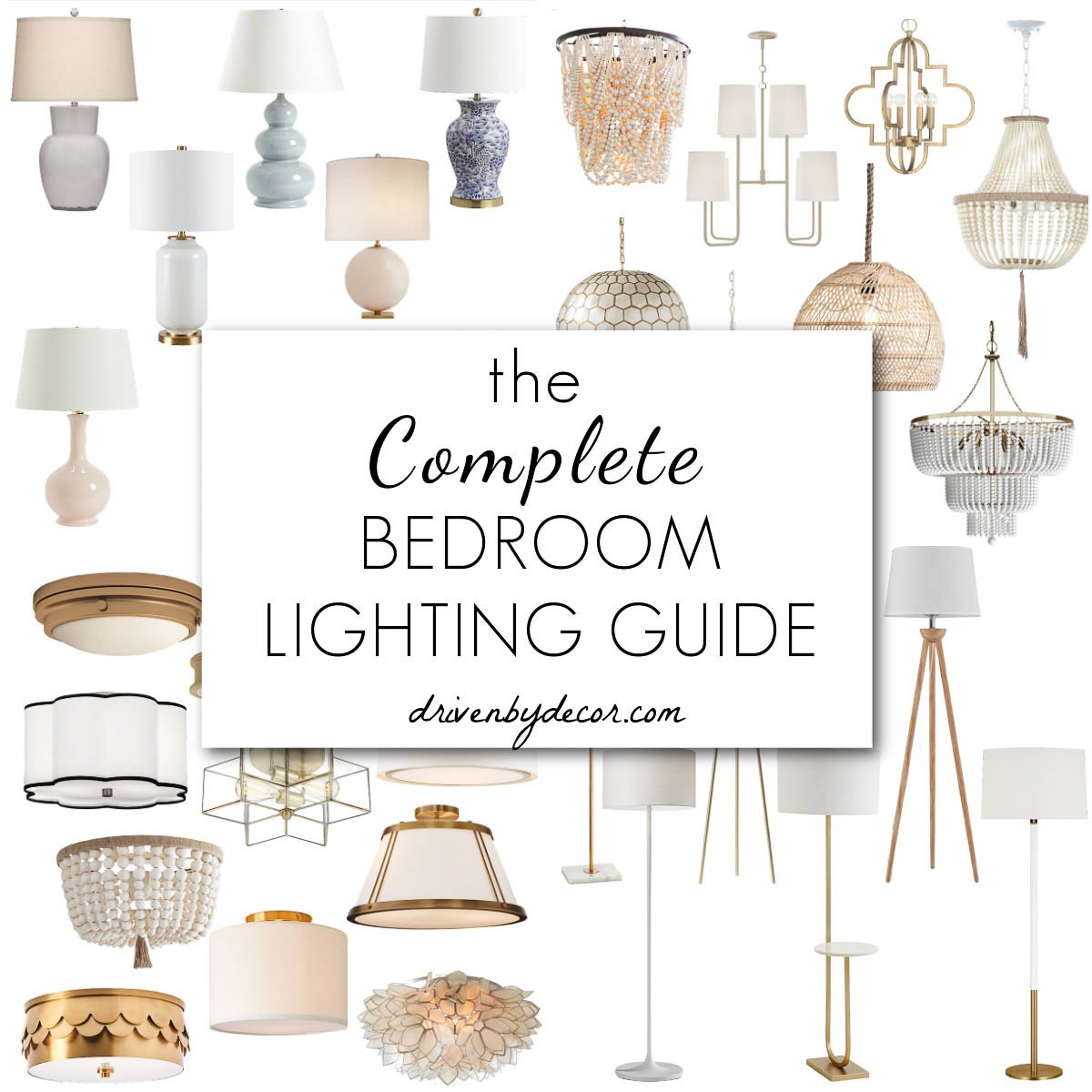
Light It Up: Creative Lighting Solutions for Stunning Interior Designs
Lighting is one of the most transformative tools in interior design: it shapes architecture, sculpts mood, and guides how we live in a space. Yet it’s often an afterthought. **”Light It Up: Creative Lighting Solutions for Stunning Interior Designs”** is your invitation to think like a designer, balancing atmosphere with performance, beauty with clarity.
When you understand how to layer light and select the right bulbs, every room gains dimension and versatility. The goal is not more light, but **better light**: comfortable, controllable, and crafted to your life. The secret lies in mastering the three primary layers of light.
—
Section 1: Mastering Lighting Layers: Ambient, Task, Accent (Solutions 1-3)
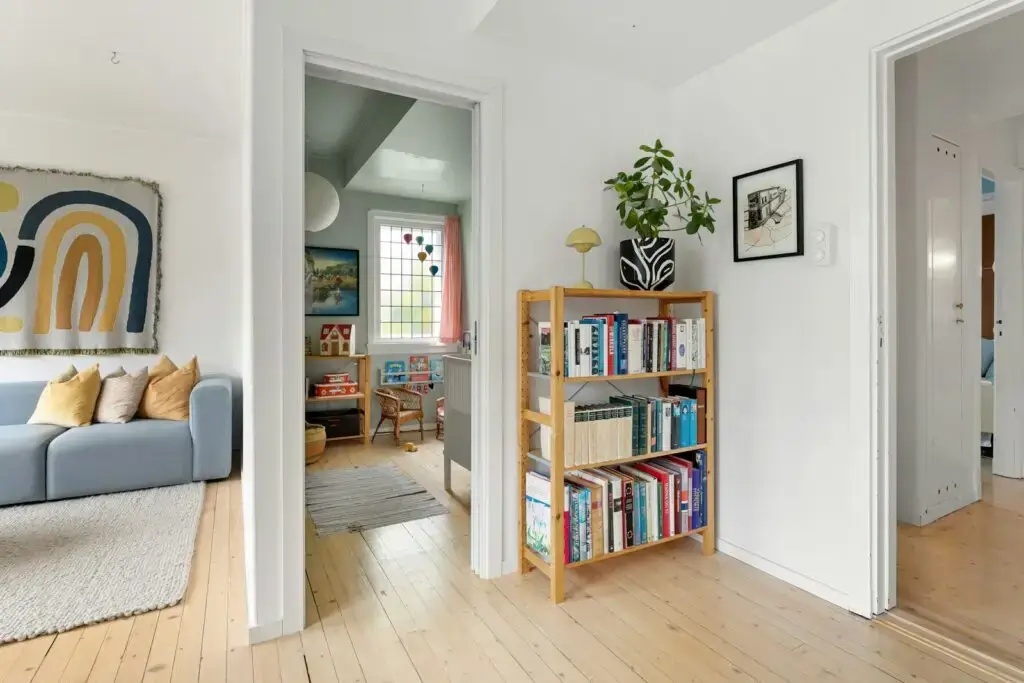
1. Ambient Light: The Foundation and Mood Anchor
Ambient lighting is the foundation—it sets the overall brightness and anchors the mood. Think of it as the “fill light” that prevents harsh shadows and helps you move safely. Common ambient sources include ceiling-mounted fixtures, recessed downlights, and large pendants.
In living rooms, a mix of dimmable recessed downlights and a central pendant creates a comfortable base. In open-plan spaces, ambient light should be **zoned** (separate switches for living, dining, and kitchen) so you can dial in different moods.
2. Task Light: Precision Where You Need It
Task lighting is the surgeon’s scalpel—precise, bright where needed, and easy on the eyes. It’s what makes reading, chopping vegetables, or working at a desk efficient and comfortable. In kitchens, **under-cabinet LEDs** are non-negotiable; mount them toward the front of the cabinet to eliminate shadows.
For vanities, flank mirrors with vertical sconces at roughly eye level so light falls evenly on the face. In bedrooms, bedside swing-arm sconces or directional reading lamps reduce light spill. Using task light effectively is one of the best **creative lighting solutions**.
3. Accent Light: Drama and Definition
Accent lighting is the drama—used sparingly, it makes texture, art, and architectural details pop. It is not about brightness but contrast and control. For artwork, a **30-degree aim angle** from an adjustable recessed downlight highlights the piece.
For textured surfaces like stone, a **grazing technique** placed close to the wall rakes light across the surface to reveal depth. Backlighting mirrors, headboards, and niches with LED strips creates luminous halos that feel luxurious. If you rent, plug-in sconces and battery-powered picture lights deliver the accent without rewiring.
—
Section 2: Choosing Bulbs: Color Temperature, CRI, Output (Solutions 4-6)
4. Kelvin (K): The Emotional Engine (Color Temperature)
**Color temperature** is the emotional engine of your lighting, measured in Kelvin (K). Lower numbers (**2200–2700K**) are warm and intimate, ideal for living rooms, bedrooms, and dining areas. Mid-range (**3000–3500K**) feels balanced and versatile, excellent for kitchens and multi-use spaces.
Cooler 4000–5000K reads crisp and alert. Consistency matters: mixing color temperatures in one view can create visual discord. Dim-to-warm bulbs mimic the way incandescent light mellows as it dims, preserving a cozy vibe. This mastery of temperature is key to **stunning interior designs**.
5. CRI 90+: Seeing True Color
**CRI**, or Color Rendering Index, tells you how faithfully a light source reveals colors compared to natural daylight. Look for **90+ CRI** in most residential settings, especially where color matters—kitchens, closets, vanities, and art displays.
A high **R9 value** (a deeper measure of saturated red rendering) is crucial for lifelike skin tones, appetizing food, and rich woods. Quality also means stable, flicker-free dimming; look for “flicker-free” specifications (<1% flicker) for the smoothest experience.
6. Lumens: The Practical Output (Not Watts)
**Output** is the practical backbone—measured in **lumens**, not watts. Watts tell you power consumption; lumens tell you brightness. Plan lighting by targets: aim for about 10–20 foot-candles in living rooms, 50–75 on kitchen counters for task work, and 40–50 at vanities.
Beam angle matters, too: narrow beams (10–25 degrees) produce dramatic pools for highlighting art; wider beams (40–60 degrees) deliver general coverage. Finally, layer everything with dimmers and smart scenes so your lighting shifts as your life does. That control, more than raw brightness, is what turns a well-lit room into a beautifully lived-in one.
—
Conclusion: Light Is the Quiet Hero
Light is the quiet hero of interior design: it clarifies tasks, enriches colors, and sets the emotional temperature of your home. Mastering ambient, task, and accent layers ensures each room has depth and purpose; choosing the right color temperature, CRI, and lumen output ensures what you see is flattering, comfortable, and true.
The best lighting plans are not complicated—they’re intentional. Start by defining how you use each space, add the layers that support those activities, and choose bulbs that match your aesthetic and performance goals. Then give yourself control with dimmers and scenes, so one room can become many with the touch of a button. When you light with both heart and science, you don’t just see your home better—you experience it more fully.
Would you like to explore specific creative lighting solutions for a room in your home, like a kitchen or a bedroom?
5 thoughts on “Light It Up: Creative Lighting Solutions for Stunning Interior Designs”